Australian Army Veterinary Corps Link to this corps
The Australian Army Veterinary Corps (AAVC), established in 1909, cared for the Army’s horses and mules. During the First World War, its mobile sections supported field formations, while hospitals and evacuation establishments provided longer care. Veterinary officers and other ranks worked together to keep animals fit for service.
25 men commemorated in this collectionBrowse their biographies
- Formed
- 1909
- Disbanded
- 1946
- Wartime strength
- A comparable corps-wide personnel total has not yet been established here.
Facts: Australian War Memorial: corps history.
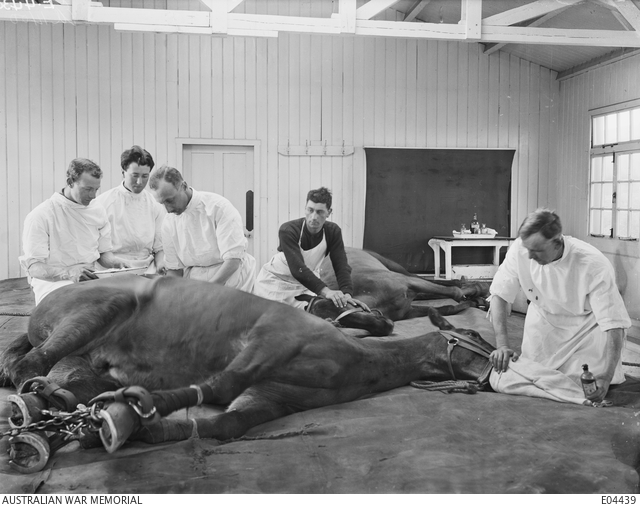
Edwin Abraham was a student, John Burrell a labourer and farmer, and Ernest Reinmuth a commercial traveller. Their service records take us into mobile veterinary care and the hospital near Calais. Reinmuth’s fatal horse-handling accident makes the hazards of daily care particularly clear.
Abraham’s postings connect the 5th Mobile Veterinary Section with the Australian Veterinary Hospital at Calais. Reinmuth’s record follows him from the remount service to the 2nd Mobile Veterinary Section and then the hospital.
Explore where the men worked
Sources and further reading: Australian War Memorial, corps collection; AAVC banner and service history; the individual service-paper sources linked in the biographies.
British Army Veterinary Corps Link to this corps
The British Army Veterinary Corps provided veterinary care for the Army’s horses and mules through field units, mobile sections and hospitals. A separate corps for other ranks was formed in 1903 and merged with the Army Veterinary Department in 1906. The Royal prefix was granted in 1918, after the Armistice.
547 men commemorated in this collectionBrowse their biographies
- Formed
- 1903 for other ranks; joined by the Army Veterinary Department in 1906.
- Later name
- Royal Army Veterinary Corps from 1918.
- Wartime expansion
- Other-rank numbers increased about forty-fold during the war.
Facts: National Army Museum: corps history.
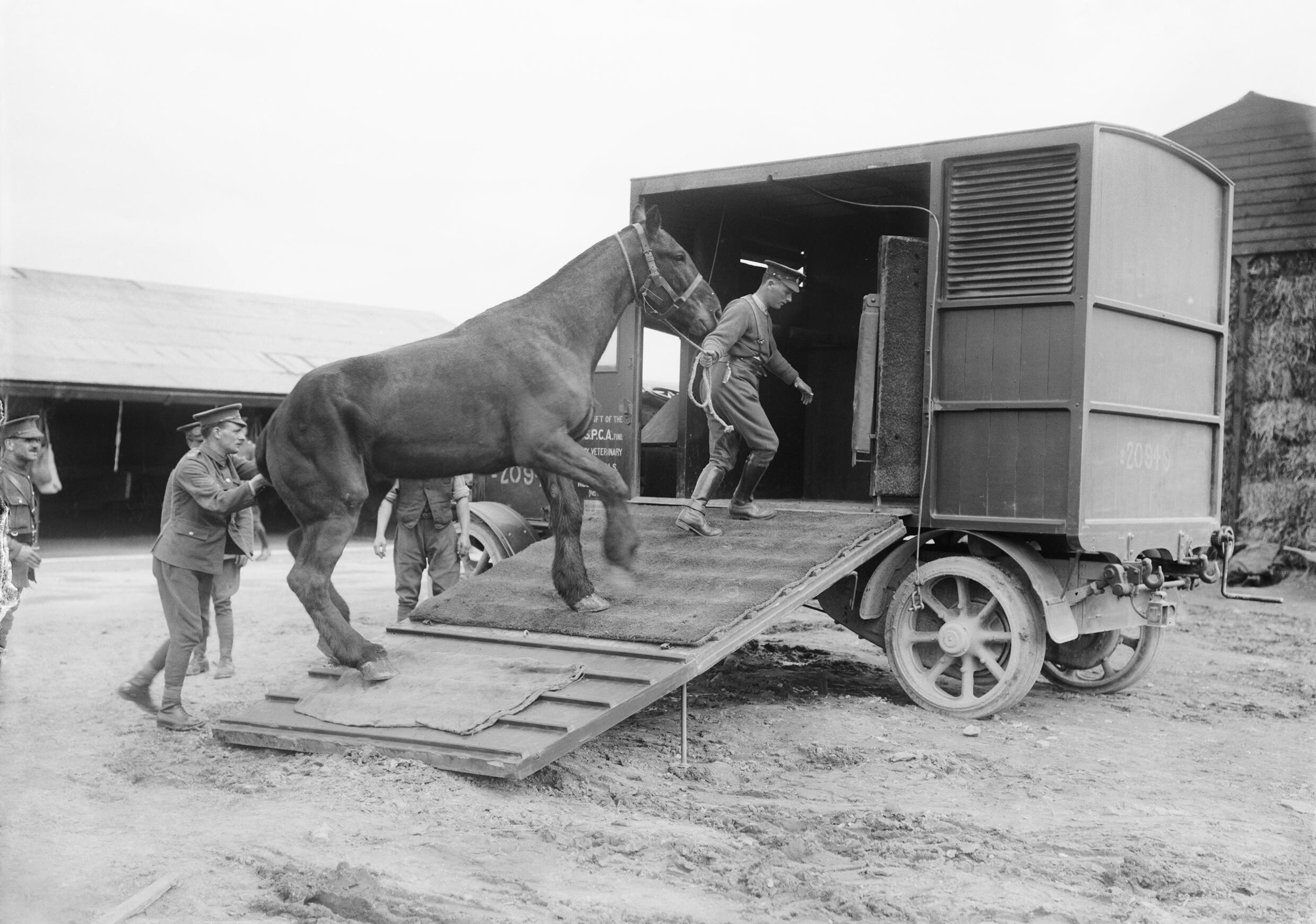

John Robert Clark drove a cart in London. Robert Pearce worked as a cement burner in Cardiff and served as a horse keeper. Their connection with No. 3 Veterinary Hospital gives names and civilian lives to the men caring for Army animals near Boulogne.
British regimental veterinary appointments began in 1796, followed by the Army Veterinary Department in 1881. Wartime expansion brought many more horse keepers, farriers, dressers and supporting staff into the corps. The British hospital directory follows their work through the numbered hospitals.
Explore where the men worked
Source and further reading: National Army Museum, Royal Army Veterinary Corps; the hospital diaries and individual records linked on this memorial.
Canadian Army Veterinary Corps Link to this corps
The Canadian Army Veterinary Corps cared for military horses and mules through mobile sections and veterinary hospitals, working within the wider Imperial veterinary network. Canada’s Army Veterinary Service was created on 2 November 1910. No. 1 Canadian Veterinary Hospital operated at Le Havre from April 1915; its number is separate from that of the British hospital.
27 men commemorated in this collectionBrowse their biographies
- Established
- 1910: the Canadian Army Veterinary Service, including permanent and militia elements.
- CEF demobilisation
- Mobile veterinary sections formally disbanded in November 1920; this was not the end of the permanent corps.
- Example unit strength
- No. 1 Mobile Veterinary Section: 2 officers and 26 other ranks on arrival in England, October 1914. Not a corps-wide total.
Facts: Original memorial: Canadian service history; Library and Archives Canada: CAVC unit guide, pp. 1–3.
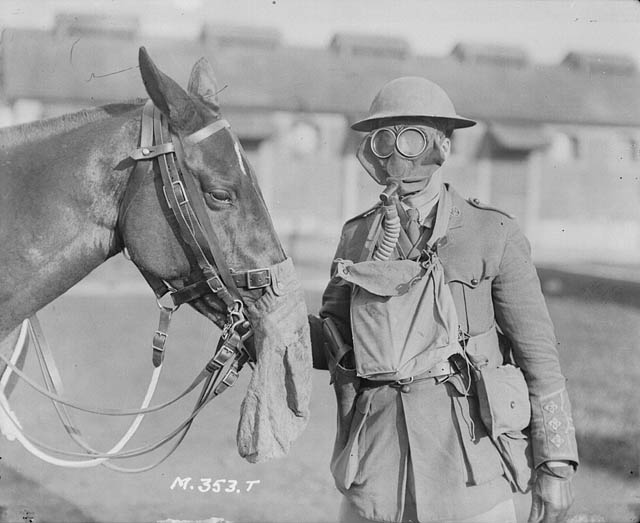
Frederick James Morgan was a teamster, Niel Donald Wilkinson a carpenter and Walter Rupert Shaw a steamfitter. Their records connect No. 1 Canadian Veterinary Hospital with homes and families across Canada. Morgan left a wife and two children; Shaw died in an air raid at Rouen.
No. 1 and No. 2 Canadian Veterinary Hospitals retained their own identities alongside British establishments; individual service records identify where each man worked.
Explore where the men worked
Sources and further reading: Library and Archives Canada, Canadian Army Veterinary Corps unit guide; each man’s service and commemoration records.
New Zealand Veterinary Corps Link to this corps
The New Zealand Veterinary Corps cared for military horses used by infantry, artillery and mounted formations. Hospital and mobile sections were organised in 1914; in January 1916 the hospital sections were absorbed into the mobile organisation. No. 1 served with the New Zealand Division in France, while No. 2 accompanied the Mounted Rifles Brigade in Sinai and Palestine.
15 men commemorated in this collectionBrowse their biographies
- Formed
- 1907
- Reorganised
- Hospital sections absorbed into mobile sections in January 1916.
- 1914 establishments
- Two 115-man hospital sections and two 28-man mobile sections. These are unit establishments, not the number who served over the whole war.
Facts: Te Papa: New Zealand Veterinary Corps; Manatū Taonga: Veterinary Corps.
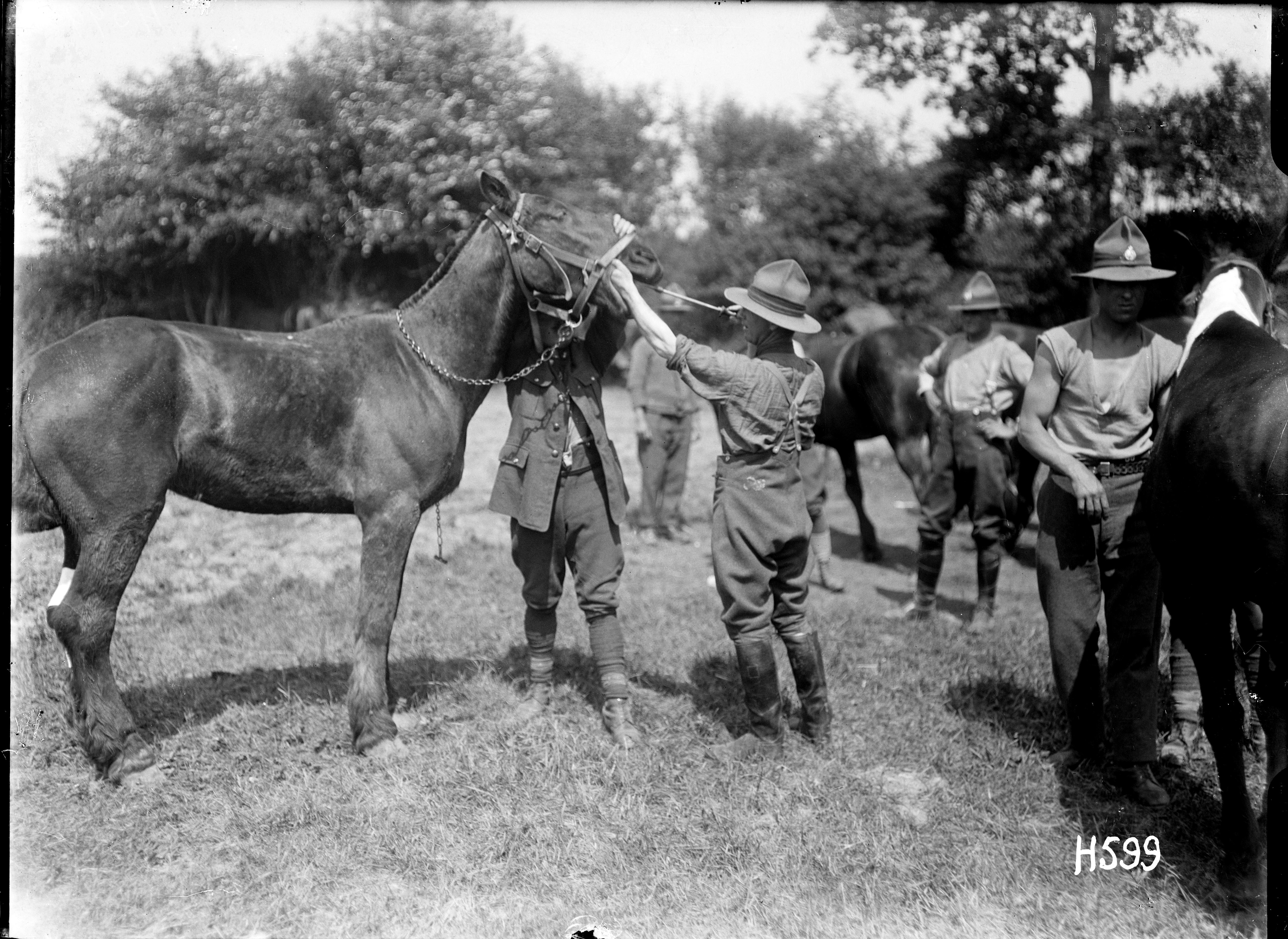
Reginald George Murphy came from a family at Naseby in Otago. He served as a trooper in the New Zealand Veterinary Corps and died from enteric fever at Alexandria in August 1915. His precise workplace remains unknown.
The No. 2 Mobile Veterinary Section page explains the unit’s work in Sinai and Palestine. No individual casualty has yet been securely linked to this section in the memorial.
Explore where the men worked
Source and further reading: Manatū Taonga, NZ History: Veterinary Corps; service files and contemporary notices linked in the biographies.
South African Veterinary Corps Link to this corps
The South African Veterinary Corps cared for military animals in hospitals, mobile sections and veterinary detachments. The wartime service expanded from earlier Natal and Transvaal organisations, supporting the South West African campaign in 1914–15 and then operations in East Africa.
22 men commemorated in this collectionBrowse their biographies
- Wartime expansion
- 1914, drawing on earlier Natal and Transvaal veterinary organisations.
- After the war
- Most wartime organisation dispersed; a small nucleus survived until 1935.
- Early wartime establishment
- 47 officers, 450 NCOs and men, and 750 Black African personnel, reported separately in the contemporary organisation. Not a whole-war service total.
Facts: D. O. Stratford: Military Veterinary Services in South Africa (1970).
Warwick Edward Wright was a bookkeeper and clerk from Port Elizabeth. His service card follows him from Durban to Kilindini in June 1916 and then to 6 Mobile Section. He died from malaria at Kangaa that September.
Recruiting and training at Booysens and stores at Cape Town supported personnel in mounted regiments, hospitals, mobile sections and aboard animal transports. Animal disease imposed a heavy burden during the African campaigns.
This collection also includes associated labour and remount personnel; their profiles retain their recorded service identities.
Associated services are listed among all memorial collections.
Explore where the men worked
Source and further reading: D. O. Stratford, Military Veterinary Services in South Africa, Military History Journal 1(6), June 1970; original service cards and commemoration sources linked in the biographies.
About these histories
Follow Workplaces for daily care, treatment routes and linked biographies, or the British hospital directory for Nos. 1–30. Each man’s biography records his own postings and sources.